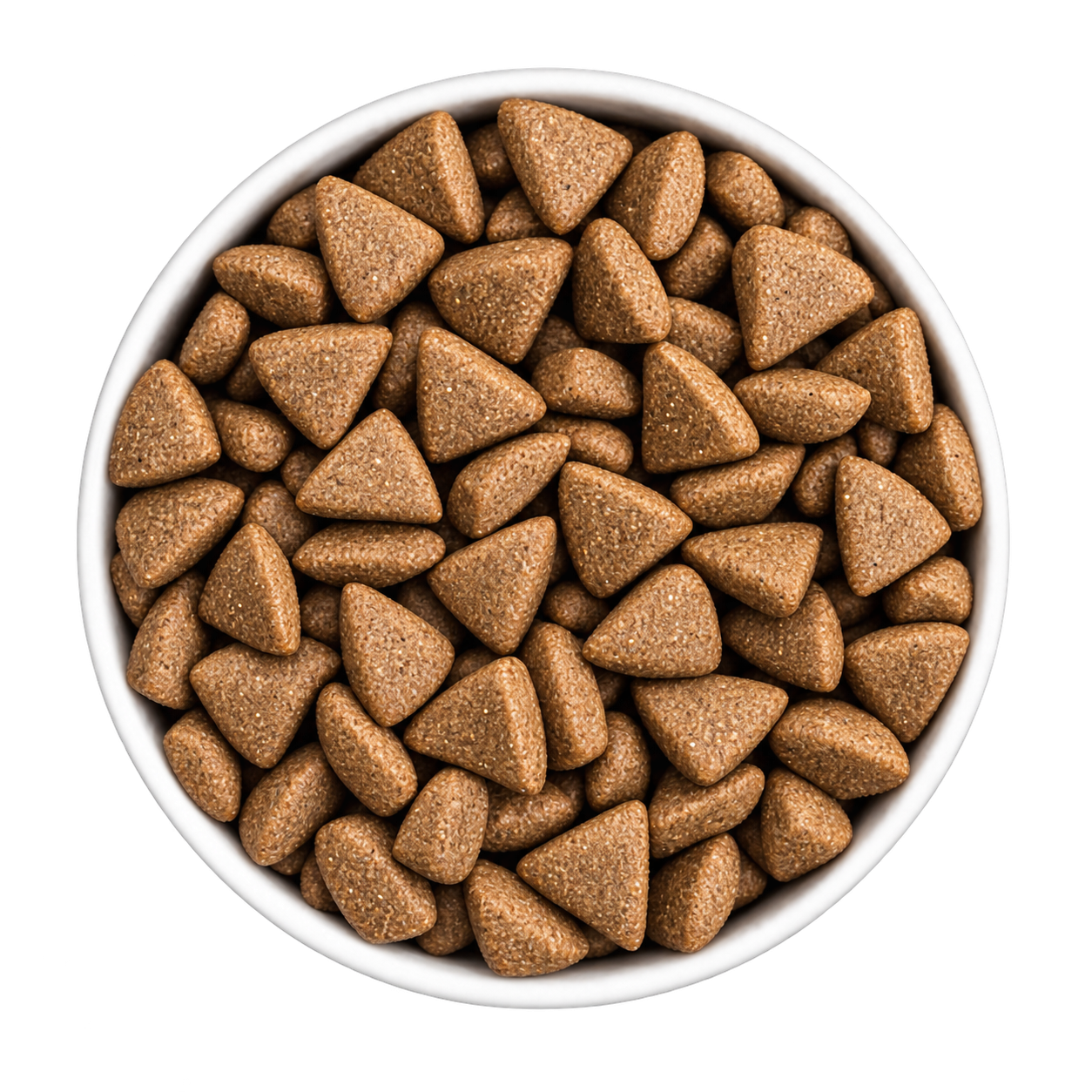
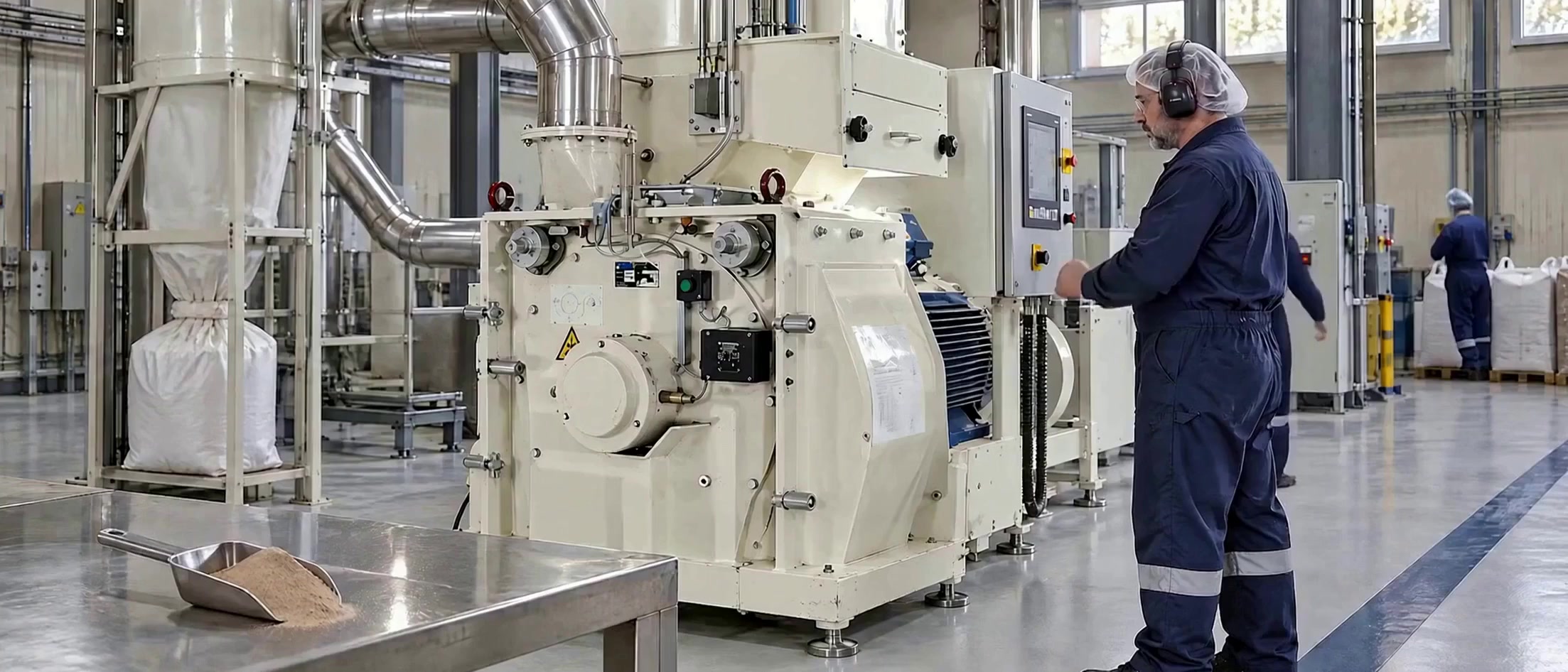
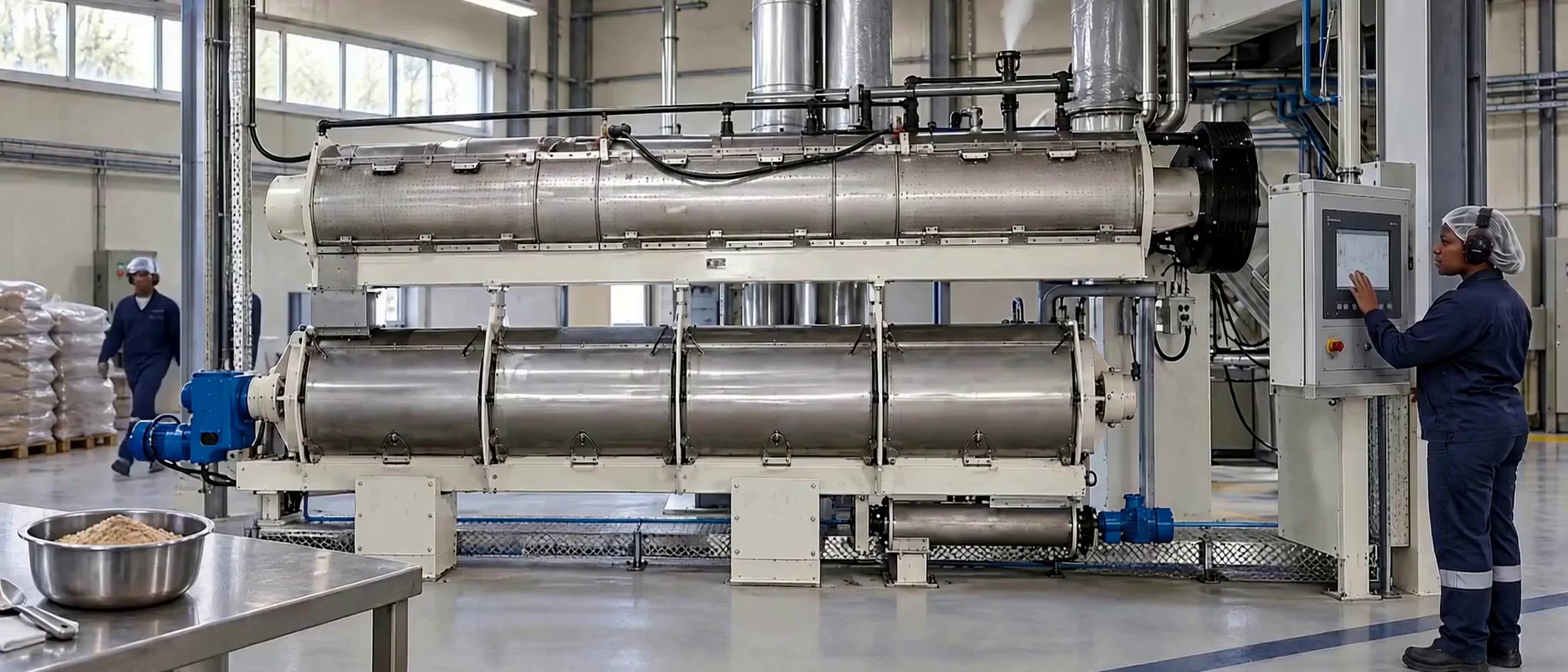
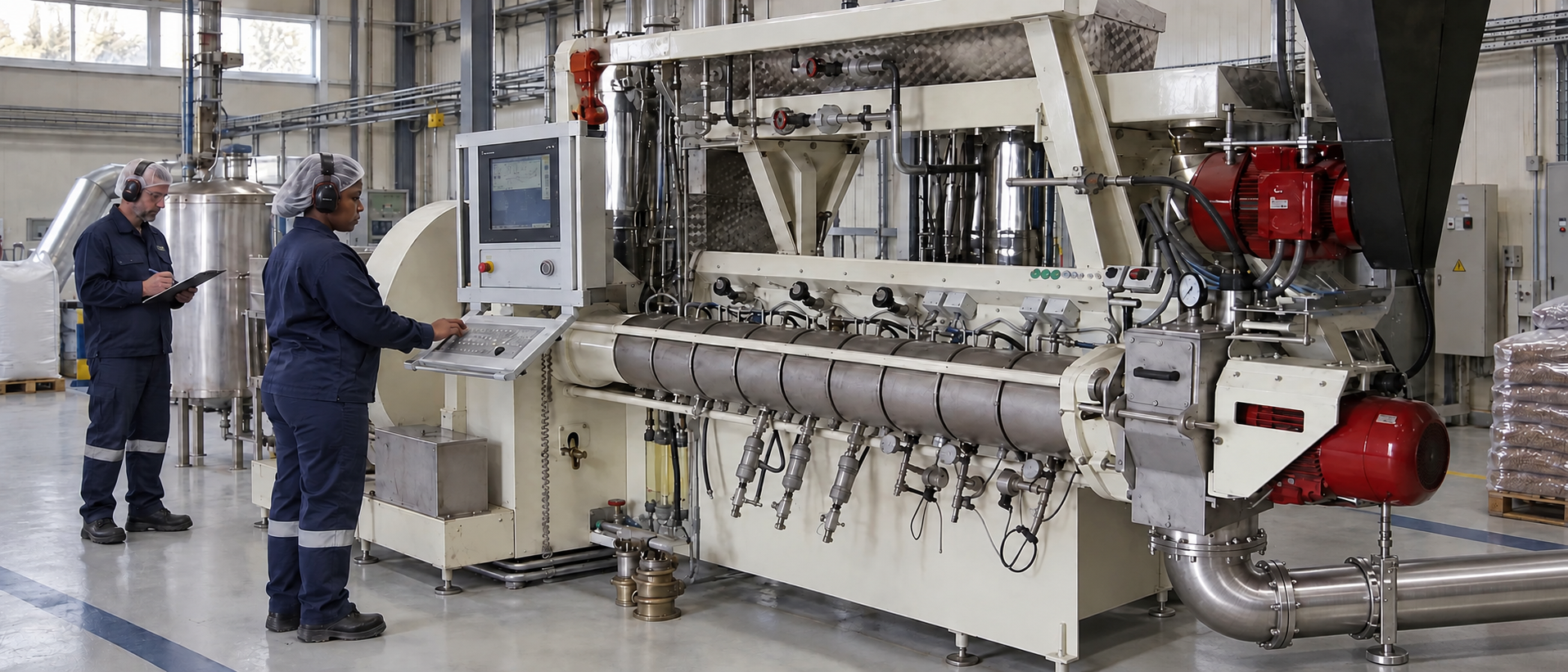
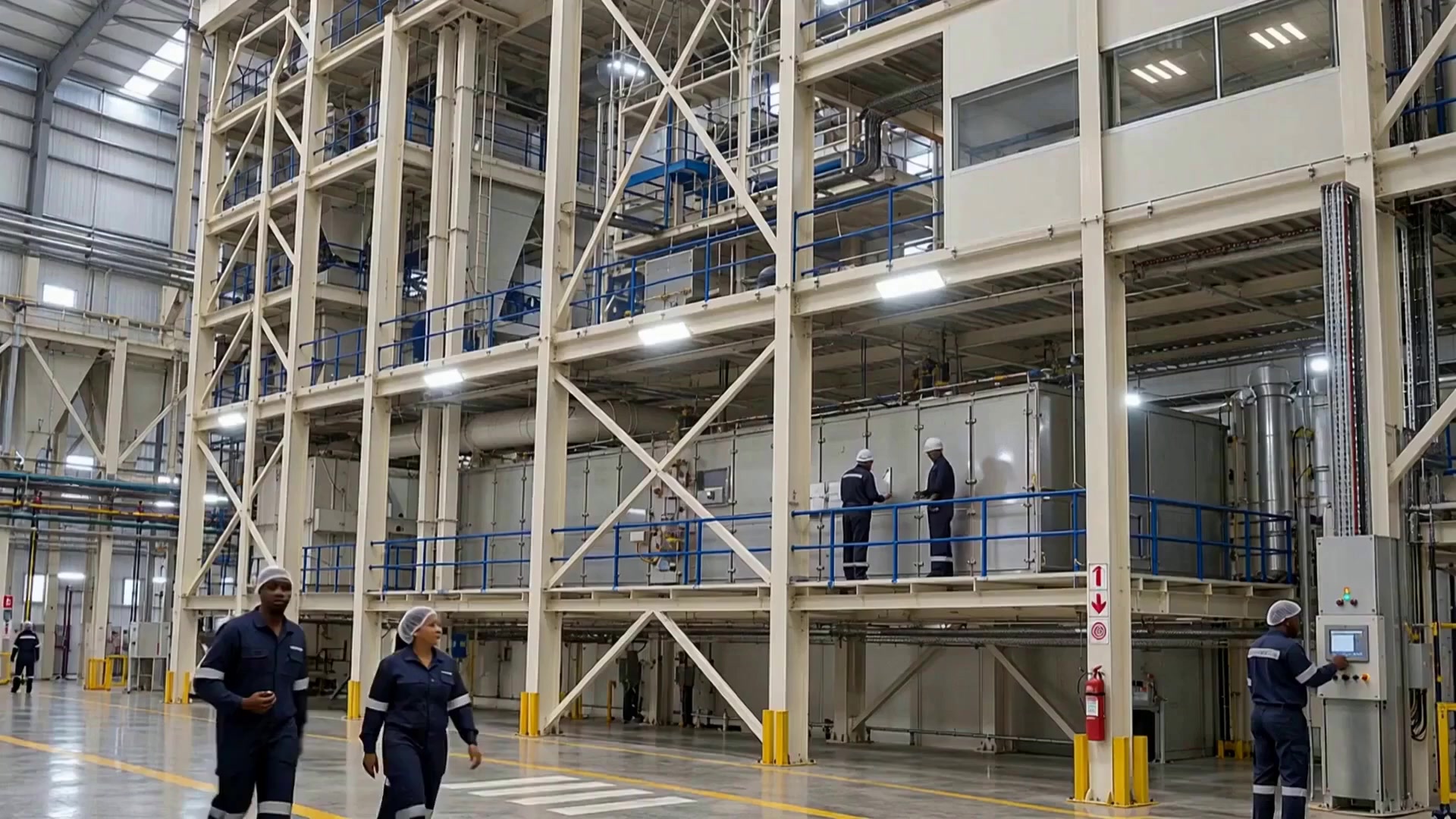
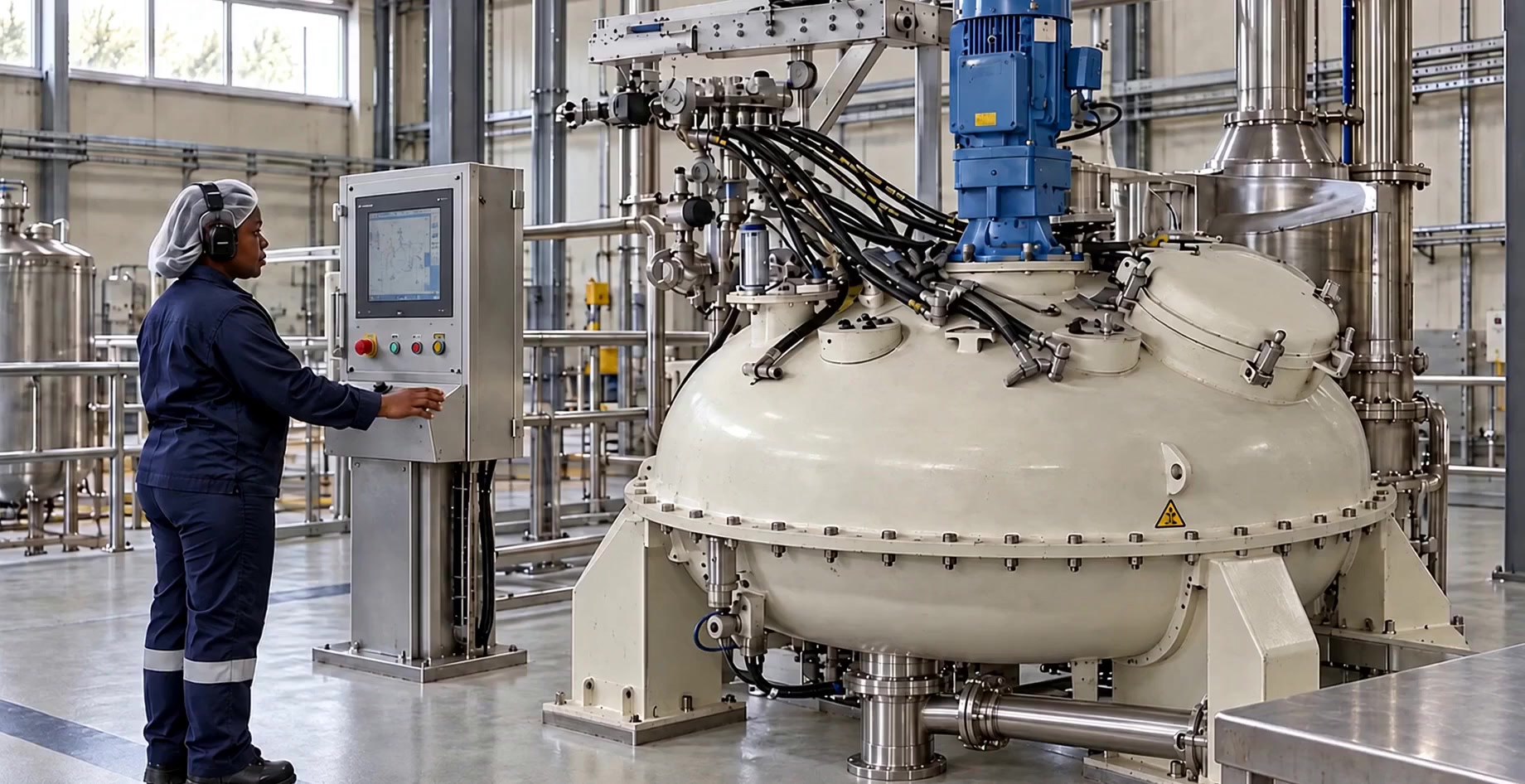
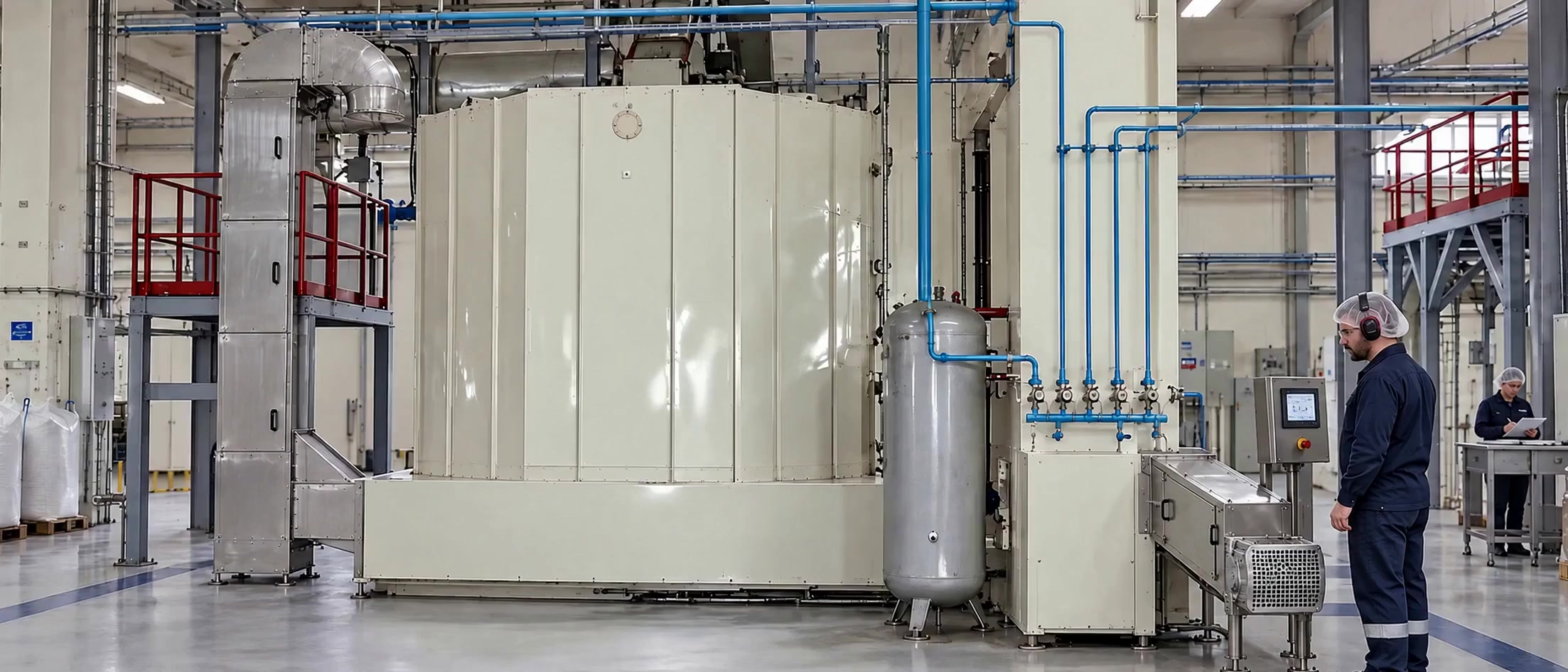
Follow the eleven stages of dry-food preparation, then take a closer look at the ingredients and checks. Wet food follows a different manufacturing process.
Eleven stages, from incoming ingredients to the finished pack.
Follow all eleven dry-food stages with me. Batch preparation and mixing come before milling. Air carries the formed kibble from extrusion to drying through a closed route. Spanish olive oil joins during vacuum coating after drying, with checks at receiving and before release.
01 / 11 — Receiving
Choose a stage.
01 / 11
Receiving
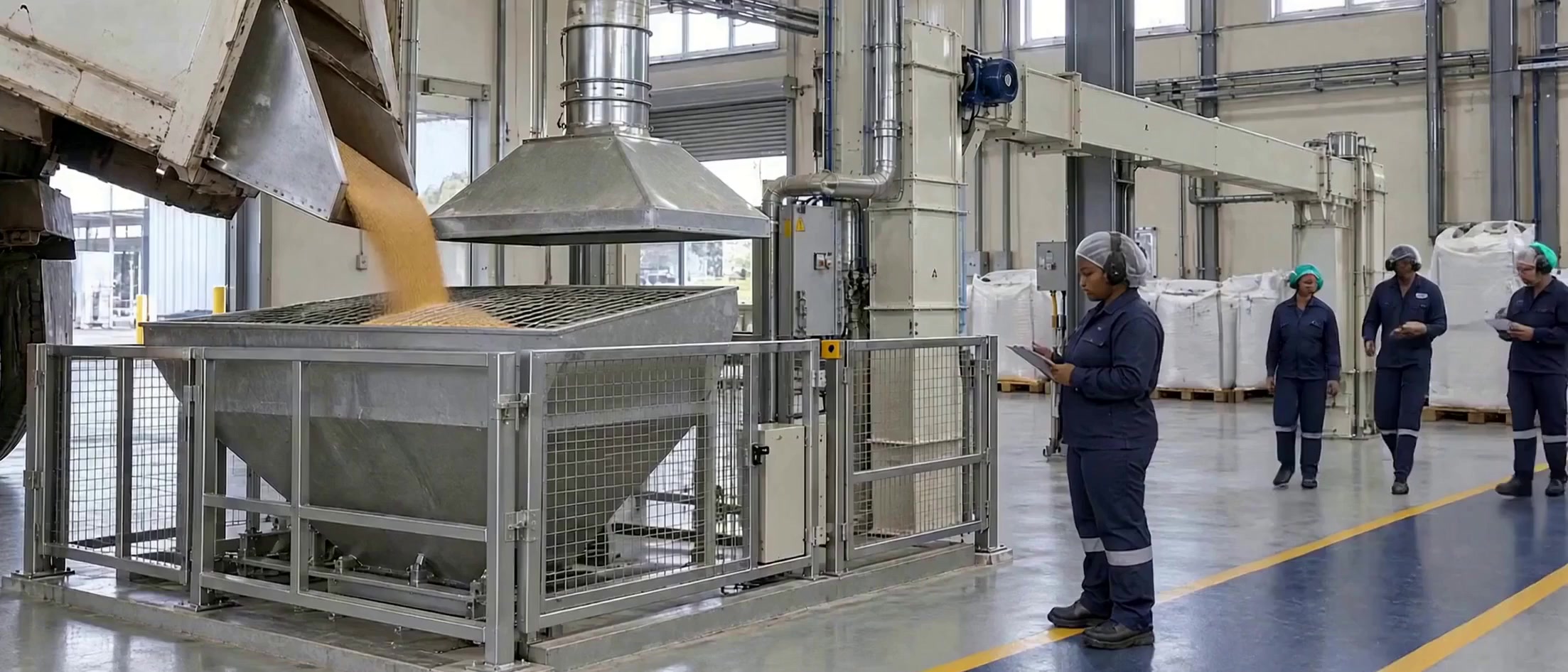
Check the ingredients. Protect the recipe.
PICTURE THE IDEAReceiving
Swipe or scroll if the diagram is wider than the window.
I start by asking what has arrived and who supplied it. Those details and the incoming checks help show whether the ingredients meet the requirements before they go into the food.
Why it matters to their food
What Markus learnt
The team checks what has arrived, the supplier’s information and whether those ingredients meet the required standards. I think of it as checking what comes through the kitchen door before it goes into a recipe. A machine cannot make rejected ingredients acceptable. So I ask: what was checked before cooking began?
02 / 11
Batch preparation
Prepare the ingredients for this recipe.
PICTURE THE IDEABatch preparation
Swipe or scroll if the diagram is wider than the window.
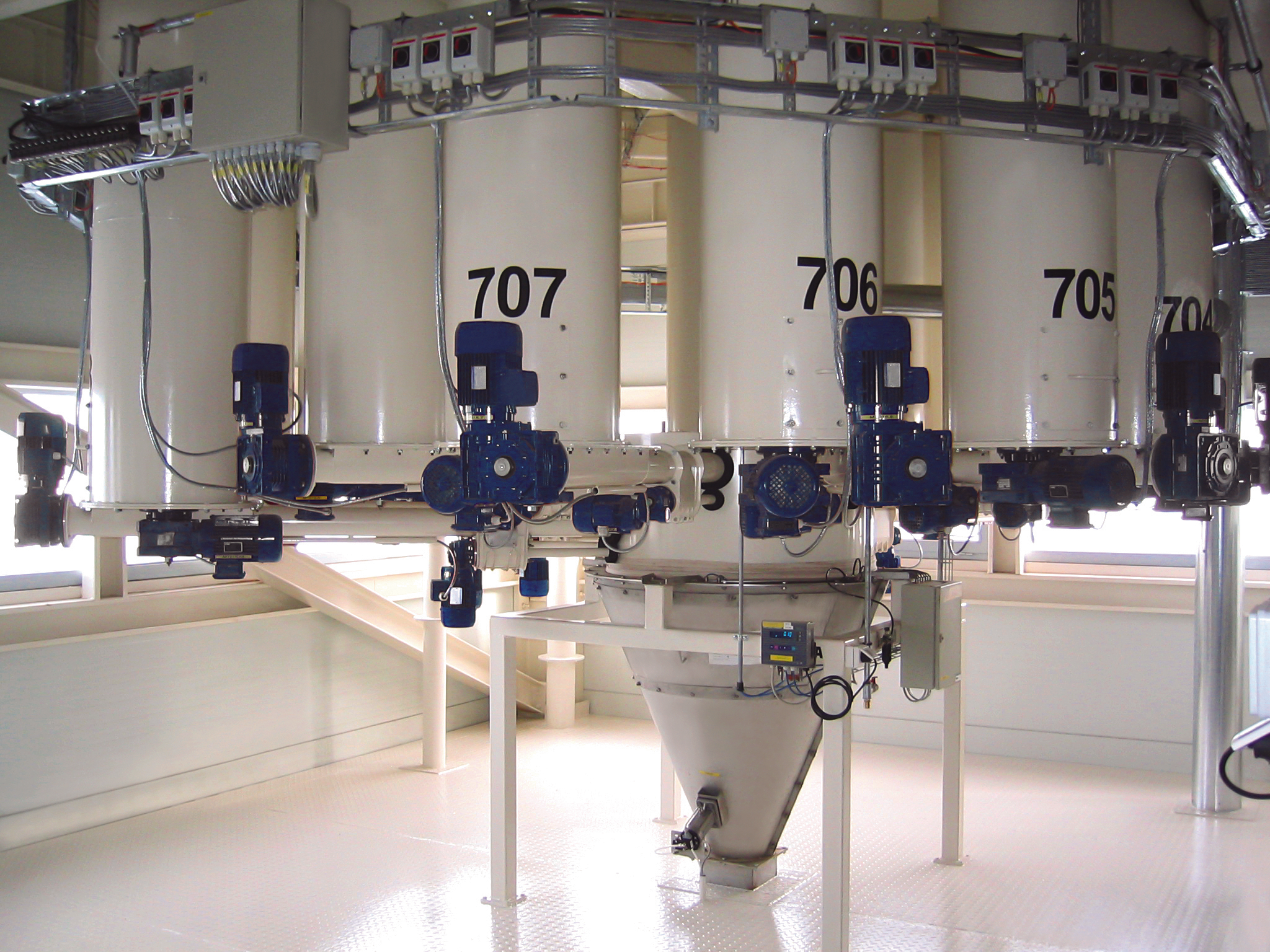
The ingredients needed for the batch are gathered and weighed before mixing. This shows the order of preparation, without specifying quantities or machine settings.
Why it matters to their food
What Markus learnt
Before grinding, the team gets the ingredients together and weighs them for each batch. The recipe sets out what goes into the food; this step gets it ready to make.
03 / 11
Batch mixing
Bring the batch together before grinding.
PICTURE THE IDEABatch mixing
Swipe or scroll if the diagram is wider than the window.
Follow the prepared batch into the mixer, before milling. The moving paddles show you how ingredients are brought together. To know how evenly a real batch was mixed, I need a separate check.
Why it matters to their food
What Markus learnt
First the prepared ingredients are mixed. Then they are milled into smaller pieces. Mixing brings the ingredients together before the next preparation steps.
04 / 11
Milling
Prepare the particles for consistent cooking.
PICTURE THE IDEAMilling
Swipe or scroll if the diagram is wider than the window.
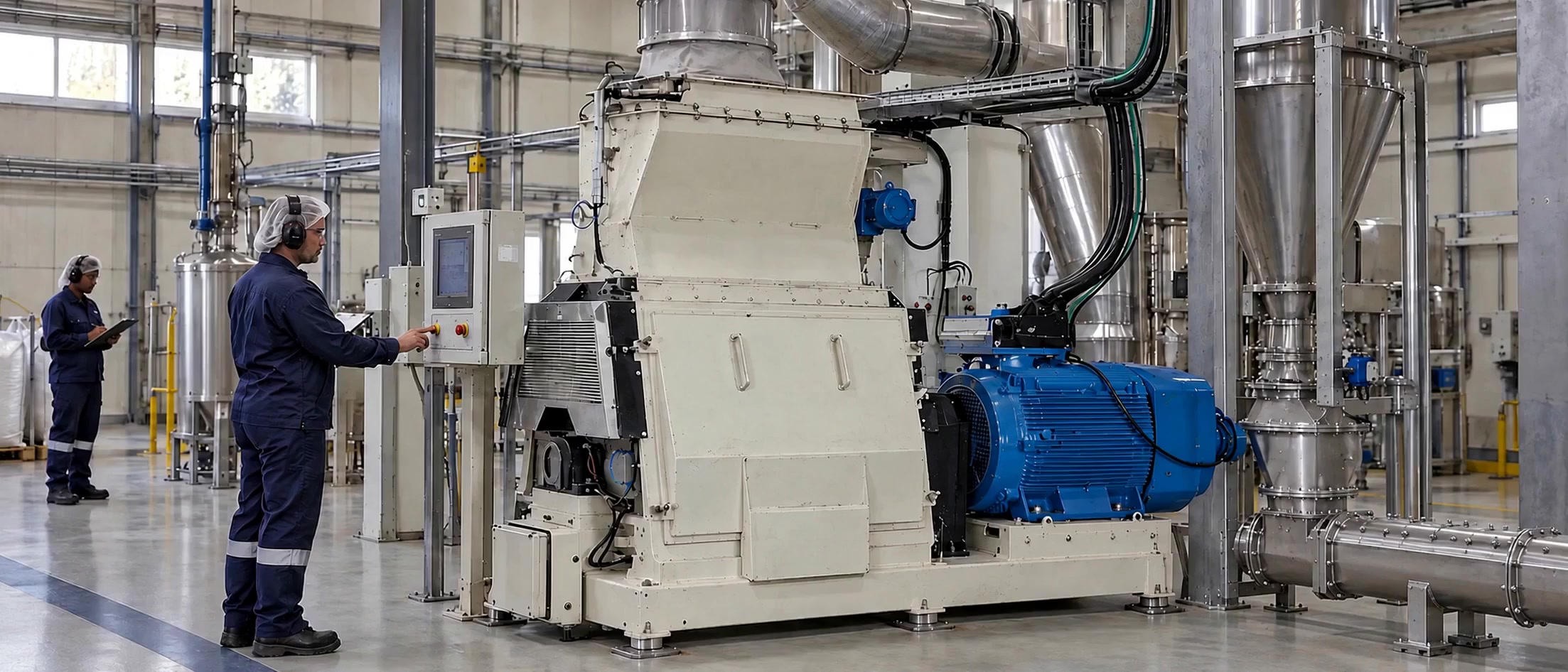
Milling breaks larger ingredient particles into smaller ones for the preparation and cooking that follow.
Why it matters to their food
What Markus learnt
Milling breaks large particles down for the stages that follow. Particle size affects how ingredients cook and can affect digestion. The target size depends on the ingredient and recipe.
05 / 11
Pulverising
Refine the texture before forming the kibble.
PICTURE THE IDEAPulverising
Swipe or scroll if the diagram is wider than the window.
Here is the next grinding step. It brings the prepared material towards the particle size the recipe needs.
Why it matters to their food
What Markus learnt
Pulverising is the further grinding step. It brings material to the particle size the recipe calls for, helping control the mixture and the finished kibble’s texture.
06 / 11
Preconditioning
Give heat and moisture time to work.
PICTURE THE IDEAPreconditioning
Swipe or scroll if the diagram is wider than the window.
Think of heat and moisture changing ingredients in a pot. Here they prepare the mixture before extrusion and begin cooking its starch. That is the job I am following with you.
Why it matters to their food
What Markus learnt
Preconditioning gets the mixture ready before extrusion. Heat and moisture begin cooking its starch. Think how water changes what heat does to a dry kitchen ingredient—that helped me understand why both matter. The settings suit the recipe and help prepare the mixture to expand and take shape.
07 / 11
Extrusion
Cook the starch. Create the bite.
PICTURE THE IDEAExtrusion
Swipe or scroll if the diagram is wider than the window.
Watch with me as heat, pressure and mechanical work cook and shape the mixture. Air then carries the formed kibble through an enclosed pneumatic duct to the dryer, keeping the transfer inside.
Why it matters to their food
What Markus learnt
Extrusion uses heat, pressure and mechanical work to cook and shape kibble. Cooking changes starch so digestive enzymes—the helpers that break food down—can reach it more easily. Ingredients and processing conditions work together. The formed kibble then travels to drying through a closed pneumatic duct: air carries it along the enclosed passage.
08 / 11
Drying
Manage moisture so the food keeps well.
PICTURE THE IDEADrying
Swipe or scroll if the diagram is wider than the window.
I follow moisture leaving the food as drying brings it towards the product’s target.
Why it matters to their food
What Markus learnt
The dryer reduces moisture to the product’s specification. Managing moisture supports the intended texture and storage stability. It works alongside suitable ingredients, controlled processing, careful handling and packaging. Each part has a job to do.
09 / 11
Vacuum coating
Carry the oil into the kibble.
Spanish olive oil is added here, after drying.
PICTURE THE IDEAVacuum coating
Swipe or scroll if the diagram is wider than the window.
This is where Spanish olive oil joins the dry food, after drying. Look closely with me: pressure changes help added liquid enter tiny pores inside the kibble. That is the physical change we are following.
Why it matters to their food
What Markus learnt
After drying, Spanish olive oil joins the kibble during vacuum coating. Pressure changes help the liquid enter tiny pores in the food. That is how the oil becomes part of the dry-food recipe, contributing fat, energy and texture.
10 / 11
Cooling
Prepare the food for its sealed pack.
PICTURE THE IDEACooling
Swipe or scroll if the diagram is wider than the window.
After coating, the food cools before packing. I think of moisture collecting when warm food is closed away: cooling here helps reduce the risk of condensation in the sealed bag.
Why it matters to their food
What Markus learnt
The coated food is cooled before packing. I think of moisture collecting under a lid when something warm is closed inside. Lowering the food’s temperature helps reduce that condensation risk in the bag, protecting the moisture control achieved during drying.
11 / 11
Packaging
Protect the food. Keep its identity with it.
PICTURE THE IDEAPackaging
Swipe or scroll if the diagram is wider than the window.
Now I am back at the pack in my hand. Sealing helps protect the food, while the pack keeps the recipe, size, feeding guide and product identification together for you to read.
Why it matters to their food
What Markus learnt
The pack protects the food during storage and keeps its identity with it: the recipe, pack size, feeding guide and product identification. This brings the factory story back to my kitchen. I need the right food, the storage directions and a measured portion for my pet. That information deserves as much attention as the picture on the front.
A CLOSER LOOK INSIDE THEIR FOOD
Small names. Everyday jobs.
I used to skim past the vitamin and mineral names on a bag. Now I stop and ask what each one does for Oscar and Bella. Come and take a closer look with me.
Choose a nutrient to explore
The illustrations show the body’s everyday work. The pack tells me which nutrients are listed in that recipe.
01
Vitamin A
For the world they watch.
Normal vision & healthy tissues
Oscar watches the gate. Bella watches absolutely everything.
A little closer
Vitamin A has a role in normal vision and keeping the body’s lining tissues healthy.
On the label: vitamin A.
02
Calcium, phosphorus & vitamin D3
The framework underneath.
Bones, teeth & mineral absorption
I look beyond the big ingredients. These three belong in the conversation too.
A little closer
Calcium and phosphorus form part of bones and teeth. Vitamin D helps the body absorb and use these minerals.
On the label: vitamin D3, calcium and phosphorus.
03
Vitamin E
A little closer. Right into the cell.
Antioxidant protection
This one made more sense to me when I pictured a single cell.
A little closer
Vitamin E is an antioxidant. It helps protect cell membranes against oxidative damage.
On the label: vitamin E.
04
The B vitamins
Those B names have jobs to do.
Using nutrients & supporting cells
I used to skim past the numbers. Now I give them a second look.
A little closer
B vitamins help the body use nutrients. Their different jobs include energy metabolism, processing amino acids and supporting new cells.
The labels name B1, B2, niacin, pantothenic acid, B6, folic acid and B12.
05
Iron
Oxygen has places to go.
Oxygen transport
Here’s one of the small names I now recognise on the bag.
A little closer
Iron helps make haemoglobin: the protein in red blood cells that carries oxygen around the body.
On the label: iron.
06
Zinc
Under all that lovely fur.
Skin function & cell renewal
Oscar leaves plenty of fur on the sofa. I’m interested in the skin underneath it too.
A little closer
Zinc plays a part in normal skin function, cell renewal and the work of many enzymes.
On the label: zinc.
07
Iodine
A small name with a specific job.
Thyroid hormone production
I want to understand the little names on the label, not just the familiar ones.
A little closer
The body uses iodine to make thyroid hormones, which help regulate metabolism.
On the label: iodine.
08
Copper, manganese & selenium
Three names. Different work.
Distinct roles for trace minerals
I find the small print easier when I take one name at a time.
A little closer
Copper helps the body use iron. Manganese takes part in enzyme activity and bone development. Selenium supports antioxidant defences.
On the label: copper, manganese and selenium.
09
Taurine · an amino acid
One I look for in Bella’s food.
Normal heart & eye function in cats
Bella’s bowl has its own story. This name belongs in it.
A little closer
Cats need taurine from their diet. It is important for normal heart and eye function.
On the 2 kg dry-cat bags: taurine, 1 g/kg.
The labels and reading behind this guide
I started with the named nutrients on the Dr Hahnz dry-food labels. The product pages keep the exact pack’s ingredients and typical analysis together. For what those nutrients do, I read these nutrition references.
Read the short takeaways, or open the full explanations and sources.
Protein: beyond the percentage
More than a percentage
Proteins supply amino acids. Different protein ingredients bring different mixes, and preparation affects how they are digested and used. I look at the source, the amount and the way it is prepared.
PICTURE THE IDEAProtein is a mix of amino acids
Swipe or scroll if the diagram is wider than the window.
Two foods with the same protein percentage can have different amino-acid profiles. Let’s look at the mix behind that number.
Different ingredients, different jobs
Muscle supplies amino acids; liver contributes nutrients including vitamin A; bone contributes calcium and phosphorus. The recipe brings their amounts together to suit the animal it is made for.
PICTURE THE IDEADifferent tissues contribute different nutrients
Swipe or scroll if the diagram is wider than the window.
Muscle, liver and bone contribute different nutrients. Come and compare their jobs in a recipe.
Enjoying it and digesting it
Oscar is usually first in the queue for supper. Aroma and texture help make food appealing. Digestion is what happens next, as his body breaks the food down and takes up nutrients.
PICTURE THE IDEAEnjoyment and digestion are separate questions
Swipe or scroll if the diagram is wider than the window.
I love seeing Oscar and Bella tuck in. Aroma and texture are part of enjoying a meal; digestion follows as their bodies break food down and take up nutrients.
About Dr Hahnz
Every Dr Hahnz recipe is developed with our in-house team and external specialists. The ingredients differ from recipe to recipe. Some animal-protein ingredients in the range come from Argentina.
A closer look
I learnt to read ingredient names closely. In AAFCO’s US definitions, meat meal and meat-and-bone meal exclude added blood, apart from unavoidable traces. A separately specified blood ingredient has its own protein profile. Each name helps me understand a different part of the recipe.
There’s Spanish olive oil in every Dr Hahnz wet and dry food. Here’s how I make sense of its role as a dietary fat.
01
Fuel for everyday life
A walk with Oscar. A climb onto the sofa for Bella. Fat provides concentrated energy for movement, warmth and the body’s everyday work. Olive oil contributes to that energy in their recipe.
02
Helping the body use vitamins
Vitamins A, D, E and K need fat to be absorbed and carried through the body. Olive oil contributes to the fat in their meal, helping it do this everyday job.
03
Part of the eating experience
Fats add texture and can make food more appealing to eat. With dry food, Spanish olive oil is added after drying, during vacuum coating. The amount of oil and the other ingredients work together in the finished recipe.
For their bowl at home, I use the feeding guide on the exact pack. The olive oil is already part of the recipe; adding more changes the calories in the meal.
A little more about olive oil, with sources
What about skin, coat and omega fats?
A healthy skin and coat depend on the full diet, including essential fatty acids such as omega-3 and omega-6. Olive oil’s main fatty acid is oleic acid. For Oscar and Bella, I look at how the fats work together in the whole meal.
PICTURE THE IDEAThree everyday jobs of dietary fat
Swipe or scroll if the diagram is wider than the window.
Follow the three branches with me: fat supplies energy, helps the body use vitamins A, D, E and K, and contributes to texture and enjoyment. Olive oil is one of the fats in the recipe; the finished food brings the full nutrient mix together.
From the olive farm to the recipe
The olives were the starting point of my question. Back at the factory, I followed the dry-food process: first the kibble is dried, then Spanish olive oil joins it during vacuum coating. Pressure changes help liquid enter the small spaces inside the kibble. Wet food follows a different process.
PICTURE THE IDEAWhere the olive oil joins our dry food
Swipe or scroll if the diagram is wider than the window.
From Spain to the recipe: the manufacturer confirms that Spanish olive oil joins the dry food during vacuum coating, after drying. Pressure changes help added liquid enter small pores in the kibble. Wet food is made differently.
About Dr Hahnz
We include Spanish olive oil in every Dr Hahnz wet and dry food. For dry food, we add it after drying, during vacuum coating. Wet food has a different production process.
I had spent a lot of time thinking about ingredients. At the factory, I began to understand how preparation changes them. The order of the steps and the conditions at each stage affect the finished food.
PICTURE THE IDEAIngredients are the beginning
Swipe or scroll if the diagram is wider than the window.
A braai and a potjie remind me that the same ingredients can be prepared differently. Heat, moisture and time each help shape the finished food.
Each stage has a job
The batch is prepared and mixed, then ground for cooking. Heat and moisture prepare the mixture; extrusion cooks and forms it; drying controls moisture. Each step has settings suited to the ingredients and the food being made.
PICTURE THE IDEAEach preparation stage has a purpose
Swipe or scroll if the diagram is wider than the window.
Let me group a few jobs: preparing particle size, adding heat and moisture, forming the food and controlling moisture. These four ideas make the process easier to follow, but they sit within the full eleven-stage dry-food sequence.
What I want the checks to tell me
Our dry food follows eleven stages, from receiving ingredients to packing. Follow them with me below: the preparation, the cooking, the coating and the checks along the way.
PICTURE THE IDEAA check must lead to a decision
Swipe or scroll if the diagram is wider than the window.
Follow with me: take a sample, carry out the selected check, then use the result to make a decision.
About Dr Hahnz
I followed the route: air carries the kibble from extrusion to drying through a closed duct. Spanish olive oil is added later, during vacuum coating after drying. The rule for checks is clear: a batch of ingredients or finished food that fails a required check is rejected. It is not released or reworked.
Extrusion uses heat, moisture, pressure and mechanical work to cook and shape the mixture. The recipe and processing conditions work together to form the kibble.
PICTURE THE IDEASeveral controls work together in extrusion
Swipe or scroll if the diagram is wider than the window.
Heat, moisture, pressure and mechanical work change the mixture as it cooks and takes shape. Follow those four jobs with me.
Where the oil comes in
After forming, the kibble travels through a closed pneumatic duct to drying. It is carried by air through an enclosed route. Later, after drying, Spanish olive oil is added during vacuum coating. Pressure changes help the liquid enter the kibble’s pores—little spaces within its structure. That explains how oil gets into a kibble. It is a different question from how well Oscar or Bella absorbs nutrients after eating it.
PICTURE THE IDEAAir carries kibble through a closed duct
Swipe or scroll if the diagram is wider than the window.
Air carries the formed kibble from extrusion to drying through a closed route. That connects the cooking and moisture-control stages.
The question after the tour
By then, I understood the steps. My next question was simple: if a batch does not pass its checks, does it still leave the factory? That is where I wanted a clear answer.
About Dr Hahnz
I followed the route: air carries the kibble from extrusion to drying through a closed duct. Spanish olive oil is added later, during vacuum coating after drying. The rule for checks is clear: a batch of ingredients or finished food that fails a required check is rejected. It is not released or reworked.
Look closer with me. Dried kibble has small spaces inside. During vacuum coating, pressure changes help added liquid enter those pores. This is where Spanish olive oil joins Dr Hahnz dry food, after drying.
The coating step brings the oil into the dry food before it is cooled and packed.
Pressure helps oil enter the kibble’s pores.
THE CHECKS
What each check can tell us.
Three checks, three jobs: the food’s composition, a selected mould toxin and a specified harmful organism. Come and see how each works.
Does the sample match the recipe?
I ask: what did we measure, and what should it be?
How this test works, with sources
Bruker TANGO
This equipment uses near-infrared light to help check what is in a sample against what the recipe calls for. It needs the right calibration—a reference suited to the material being tested—for the result to make sense.
I want to know how the sample compares with the recipe’s specification. This check helps the team assess that composition.
PICTURE THE IDEAFrom sample to composition
Swipe or scroll if the diagram is wider than the window.
A suitable sample and calibration let the instrument compare composition with the recipe’s specification. Follow the sample through with me.
Each check has a clear target. I start by asking which mould toxin is being tested.
How this test works, with sources
Raptor
Some moulds produce toxins called mycotoxins. A selected test looks for a particular toxin in a suitable sample. That gives the team a clear question to check.
I ask which toxin the test targets and how the sample is prepared. Those details are part of understanding the result.
PICTURE THE IDEAA test with a particular target
Swipe or scroll if the diagram is wider than the window.
Each test looks for a particular toxin in a suitable sample. The result must be read within that test’s scope.
I want a clear rule: ingredients or finished food that fail a required check are rejected. They are not released or reworked.
How this test works, with sources
Molecular Detection System
Pathogens are organisms that can cause disease. The selected test looks for a particular organism in a sample, using the method designed for that check.
Here is the rule I care about: ingredients or finished food that fail a required check are rejected. They are not released or reworked.
PICTURE THE IDEAA defined organism, sample and method
Swipe or scroll if the diagram is wider than the window.
Follow a suitable sample through a test for a specified organism with me. The method sets out how the sample is prepared and checked.
Here’s the rule I care about: ingredients or finished food that fail a required check are rejected. They are not released or reworked.
PICTURE THE IDEAIf it doesn’t pass, it doesn’t go out
Swipe or scroll if the diagram is wider than the window.
I asked what happens when ingredients or finished food fail a required check. The factory confirmed the rule: reject it. It is not released or reworked.
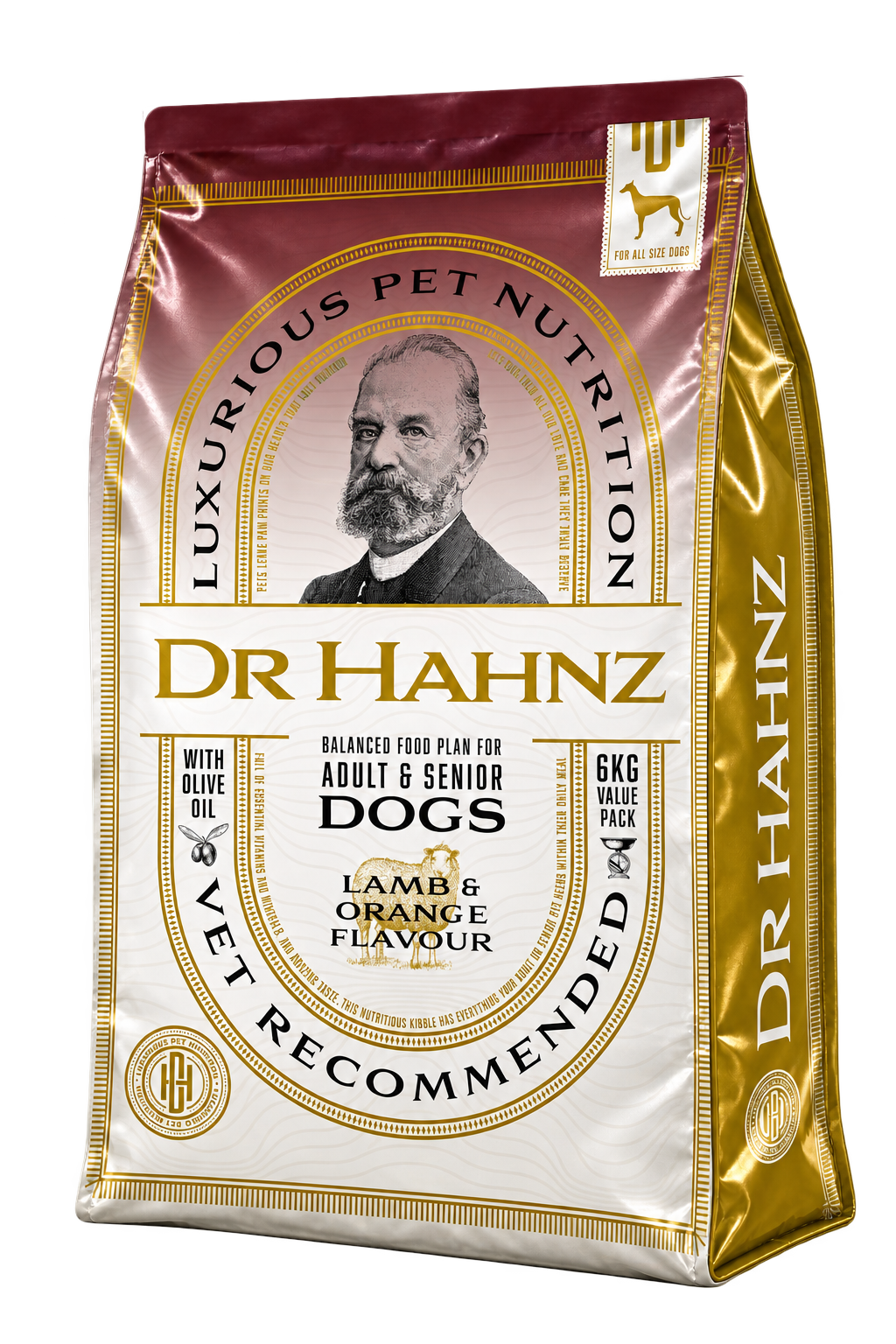
Ingredients, typical analysis and feeding directions belong to the exact product and pack. A flavour name describes a flavour profile, not necessarily a named whole ingredient.